



World’s Most Profitable Airline: How Emirates Made $5.4 Billion In A Single Year
The global airline industry is, by almost any measure, one of the most brutally difficult businesses on Earth. Fuel prices swing wildly. Geopolitical events can shut down entire airspace corridors overnight. Passenger demand is sensitive to everything from economic downturns to pandemics to regional conflicts. The margins are wafer-thin, the costs are enormous, and the list of major airlines that have collapsed or filed for bankruptcy in the past two decades is long enough to fill a page. Against this backdrop, what Emirates airline achieved in its 2025-26 financial year is not just impressive. It is genuinely extraordinary.
Emirates posted a profit after tax of $5.4 billion for the year ending 31 March 2026. That is the best profit performance in the airline’s history, the best in the entire global airline industry for the same reporting period, and it came despite the final month of the financial year being, in the words of the airline’s own chairman, disruptive and challenging. On 28 February 2026, military activity in the Gulf massively disrupted commercial air traffic across the region, forcing Emirates to ground operations and scramble to protect passengers, staff, and assets. For any other airline, a month-long airspace disruption in its home region might have wiped out a quarter’s profit. For Emirates, it was a speed bump in an otherwise record-breaking year.
The Numbers That Tell the Story
Look at the full Emirates Group figures and the scale becomes even clearer. The Group – which includes Emirates airline, ground handling arm dnata, cargo operations, catering, and travel services – reported a pre-tax profit of $6.6 billion on revenue of $41 billion, with cash assets hitting $16.2 billion, up 12 percent from the year before. The airline alone carried 53.2 million passengers across 152 cities in 80 countries, supported by a fleet of 277 aircraft with an average age of just 10.8 years. Emirates SkyCargo moved 2.4 million tonnes of freight and generated $4.4 billion in revenue. The Group’s total workforce grew eight percent to 130,919 employees worldwide. These are not the numbers of a regional carrier punching above its weight. They are the numbers of a global aviation powerhouse operating at peak performance.
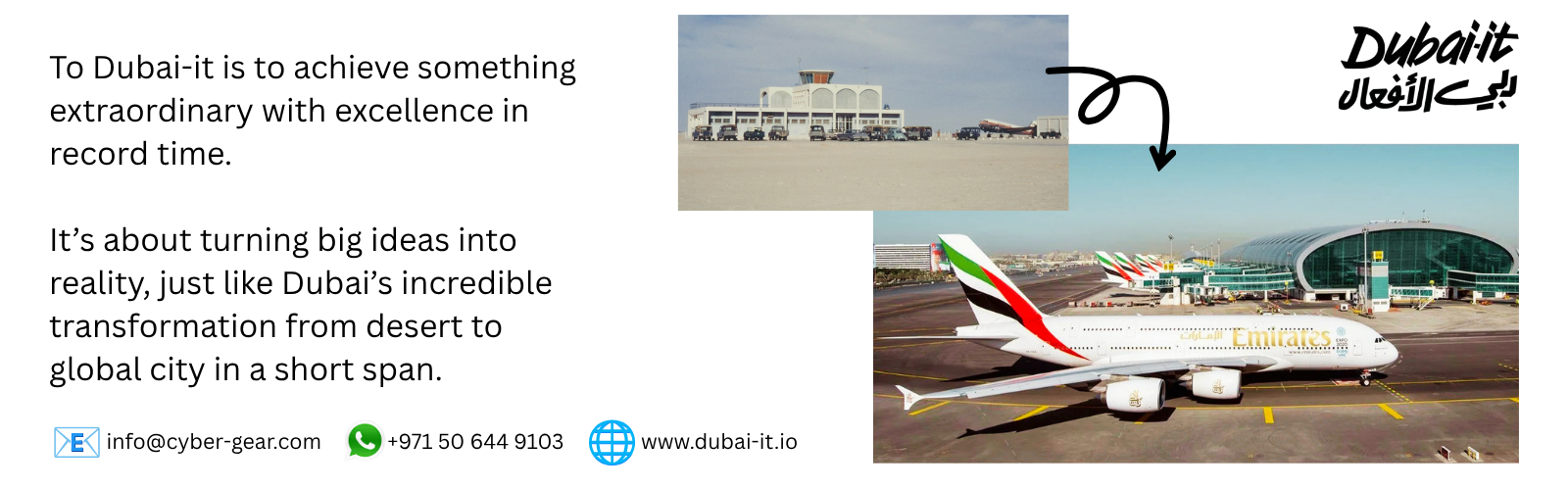
What makes Emirates’ profitability particularly remarkable is the context in which it operates. Unlike European legacy carriers with vast domestic networks that generate consistent baseline revenue, Emirates has no domestic market. Every single flight it operates is international. It is an airline built entirely on the idea that Dubai sits at the centre of the world’s flight paths, and that if you build the right product and put it at the right hub, passengers from every corner of the planet will route their journeys through it. That idea, which seemed bold when the airline launched in 1985 with two leased aircraft and a handful of routes, has been validated year after year, and in 2025-26 it produced the greatest financial return in the airline’s nearly four-decade history.
The airline invested $4.9 billion in new aircraft, facilities, and technology during the year, took delivery of fifteen Airbus A350s, and has an order book of 367 aircraft stretching through to 2038. It signed a deal with Starlink to bring high-speed satellite WiFi to its fleet. It opened a new First Class lounge at Terminal 3. It launched a residential community for 12,000 cabin crew. It announced fleet investments worth $41.4 billion at the Dubai Airshow. Emirates is not a company sitting on its profits – it is one reinvesting them at a rate that ensures the gap between itself and its competitors continues to widen.
Thirty-eight years ago, Emirates was a startup with big ambitions and a very small balance sheet. Today it is the most profitable airline in the world, operated from a city that did not even exist as a global aviation hub when the airline was founded. The $5.4 billion profit is the number. But the real story behind it is Dubai – its location, its infrastructure, its ambition, and its absolute refusal to accept that being a small city in a small country means you cannot build the biggest, best, and most profitable airline the world has ever seen.
Contributed by GuestPosts.biz